Search JIM Advanced Search
Highlight Articles

International clinical practice guideline on the use of traditional Chinese medicine for functional dyspepsia (2025)

Sheng-sheng Zhang, Lu-qing Zhao, Xiao-hua Hou, Zhao-xiang Bian, Jian-hua Zheng, Hai-he Tian, Guan-hu Yang, Won-sook Hong, et al
Journal of Integrative Medicine, 2025,23 (5): 502-518

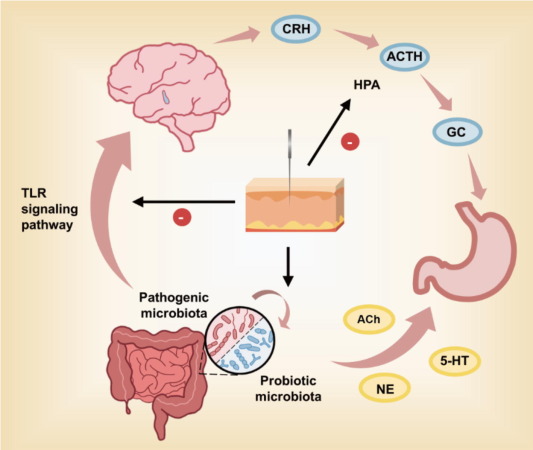
Mechanisms of acupuncture at Zusanli (ST36) and its combinational acupoints for stress gastric ulcer based on the correlation between Zang-fu and acupoints

Mu He, Xue Yee Lim, Jing Li, Ling Li, Tong Zhang
Journal of Integrative Medicine, 2025,23 (1): 1-11

Clinical practice guideline for acupuncture and moxibustion: Female urinary incontinence

Chao Yang, Shan-ze Wang, Sheng Chen, Shuo Du, Guan-qun Wang, Wei Guo, Xiao-long Xie, Bi-hui Peng, Shi-hao Du, Ji-ping Zhao
Journal of Integrative Medicine, 2024,22 (3): 258-269
  • Volume 24 Issue 2 2026
      
    Editorial
    Atopic dermatitis management in the era of integrative medicine
    Min Chen, Wan-qing Liao
    Journal of Integrative Medicine. 2026,24(2):  137-139. 
    Abstract ( 12 )   HTML    PDF  
    Related Articles | Metrics
    Atopic dermatitis (AD) is the most common chronic inflammatory skin condition. It has significant socioeconomic consequences and complex pathophysiology, necessitating updated management guidelines that consider the age, sex and geographic location of patients. Despite the widespread use of Western medicine (WM), including topical corticosteroids, as the primary treatment for AD, the possible negative effects of WM therapies are inescapable. Although there is still a lack of strong evidence, the integration of traditional Chinese medicine (TCM) with WM may yield a more favorable therapeutic response for AD than WM alone, due to the synergistic effects involved. Balancing the application of diagnostic and therapeutic approaches from TCM and WM is crucial for the management of AD, enhancing treatment efficacy for patients, and averting disease recurrence. In 2025, a new clinical guideline for the diagnosis and treatment of AD was released; it emphasized the integration of TCM with WM. This guideline is crucial as it consolidates global expertise and data to provide a standardized framework for the practical integration of techniques to bridge divides among clinical disciplines. As more substantial data emerge, the development and enhancement of integrative medicine for AD management should be prioritized globally, particularly in Asian regions. Please cite this article as: Chen M, Liao WQ. Atopic dermatitis management in the era of integrative medicine. J Integr Med. 2026; 24(2):137-139.
    Review
    Collision of Chinese medicine and materials science: Interdisciplinary biomaterials' perspectives
    Wei-kang Luo, Xiao-hang Guo, Li-na Cao, Jun Zheng, Ming Luo, Yang Wang
    Journal of Integrative Medicine. 2026,24(2):  140-153.  doi:10.1016-j.joim.2025.11.006
    Abstract ( 14 )   HTML    PDF  
    Related Articles | Metrics
    The integration of materials science and Chinese medicine (CM) has emerged as a significant interdisciplinary field, playing a crucial role in enhancing the pharmacodynamics of CM and its derived small molecules. This field introduces novel concepts, like carrier-based CM delivery systems and carrier-free CM-based material systems, and here we present a detailed exposition of their respective merits and drawbacks. In recent years, there has been an exponential increase in research on carrier-based drug delivery systems for CM, which are designed to optimize administration routes, improve targeted delivery precision, and enable controlled drug release. Nonetheless, these systems face critical challenges including suboptimal drug payloads, prohibitive manufacturing costs, and compromised biocompatibility. The introduction of carrier-free CM-based material system addresses these shortcomings through inherent advantages including exceptional drug-loading capacity, full-bioactive components, and superior biocompatibility. Comparative analyses demonstrate that nanonization of the active components of herbal medicines can significantly improve the permeability, solubility, stability, and targeting of the active components themselves. The intrinsic therapeutic components, eco-friendly attributes, and sustainable regenerative capacity of CM, combined with the adjustable physicochemical properties of advanced materials create unique therapeutic advantages. The advancement and optimization of CM and materials science concept have significantly bolstered the clinical application of drugs, increasingly aligning with the personalized treatment model in clinical practice. We provide an overview of the future obstacles and potential development strategies in the realm of CM-materials science with the aspiration to propel sustainable development in both CM and materials science. Please cite this article as: Luo WK, Guo XH, Cao LN, Zheng J, Luo M, Wang Y. Collision of Chinese medicine and materials science: Interdisciplinary biomaterials' perspectives. J Integr Med. 2026; 24(2):140-153.
    Yin-yang dynamics in wound inflammation: Yin and yang manifestations of inflammatory substances
    Yue-fei Geng, Xiu-ying Ma, Yan Ge, Bin Liu, Jin-gen Deng, Shu Liu, Tao-qing Wu, Shun-ri Jiang, Fu-neng Geng
    Journal of Integrative Medicine. 2026,24(2):  154-162.  doi:10.1016-j.joim.2025.11.007
    Abstract ( 16 )   HTML    PDF  
    Related Articles | Metrics
    Over the past three decades, a growing body of research has been dedicated to the integration of traditional Chinese medicine (TCM) and modern medicine, highlighting the complementary benefits of both disciplines. However, in the context of skin wound treatment, such integration remains limited and warrants further exploration. During the wound healing process, the inflammatory response is a critical physiological event. A harmonious balance between pro-inflammatory and anti-inflammatory events is essential for the progression of inflammation and the overall wound healing process. This equilibrium reflects the dynamic and reciprocal interaction embodied in the TCM concept of yin and yang. This study analyzes the dynamic changes in wound inflammation from the perspective of TCM's yin-yang theory and pinpoints the key cellular and molecular factors that influence the yin-yang balance in wound inflammation. The findings offer significant theoretical and practical value for future clinical and translational research. These insights will inform more effective strategies for the treatment of skin wounds and to facilitate the development of novel therapeutics. Please cite this article as: Geng YF, Ma XY, Ge Y, Liu B, Deng JG, Liu S, Wu TQ, Jiang SR, Geng FN. Yin-yang dynamics in wound inflammation: yin and yang manifestations of inflammatory substances. J Integr Med. 2026; 24(2):154-162.
    Acupuncture in depression treatment: Insights into astrocyte regulation
    Ning Xu, Tao Huang, Long Wang
    Journal of Integrative Medicine. 2026,24(2):  163-173. 
    Abstract ( 14 )   HTML    PDF  
    Related Articles | Metrics
    Astrocytes are the most abundant and morphologically intricate glial cells in the central nervous system, playing diverse and crucial roles in maintaining homeostasis within this system. Increasing evidence suggests that dysfunction of astrocytes contributes to the pathophysiology of depression. As an adjunctive and integrative therapy, acupuncture presents certain advantages in alleviating the severity of depressive symptoms. In comparison to conventional pharmacotherapy, acupuncture is distinguished by its relatively rapid onset of action, minimal side effects, and compatibility with concurrent pharmacological treatments. Preclinical studies indicate that acupuncture can ameliorate both morphological and functional impairments observed in the depressed brain by targeting neurons and glia. Specifically, research has demonstrated that acupuncture reduces morphological atrophy in astrocytes while also mitigating their dysfunction in rat models of depression. This therapeutic effect may be partially mediated through the regulation of enzyme expression, cytokines, neurotrophic factors, and intracellular signaling pathways within these glial cells. This review focuses on preclinical research investigating the mechanisms through which acupuncture may aid in treating depression, with an emphasis on astrocyte modulation. Please cite this article as: Xu N, Huang T, Wang L. Acupuncture in depression treatment: Insights into astrocyte regulation. J Integr Med. 2026; 24(2):163-173.
    Original Clinical Research
    Efficacy and safety of auriculotherapy for insomnia disorder: A randomized controlled trial
    Hao Chen, Xi-fen Zhang, Zi-chun Yuan, Xue-song Wang, Yuan-bo Gao, Xu-xin Li, Jun-cha Zhang, Michele Dias da Silva Oliveira, Cynthia Assis de Barros Nunes, Jun Liu, Yan-fen She
    Journal of Integrative Medicine. 2026,24(2):  174-181.  doi:10.1016-j.joim.2025.12.009
    Abstract ( 17 )   HTML    PDF  
    Related Articles | Metrics
    Background: Auriculotherapy is a simple, convenient, nonpharmacological option that has shown positive effects for insomnia patients, but its efficacy and safety remain unknown.

    Objective: The aim of this study is to evaluate the efficacy and safety of auricular therapy for insomnia.

    Design, setting, participants and intervention: An 18-week (2-week screening, 4-week treatment, and 12-week follow-up), recruiter- and assessor-blinded, randomized, sham-controlled trial was performed. Patients were recruited from outpatient settings at three clinical centers in China from 2 February 2023 to 26 January 2024. Participants had insomnia for more than 3 months and met the criteria classified in the Diagnostic and Statistical Manual of Mental Disorders (Fifth Edition). Patients were randomly assigned in a 1:1 ratio to receive auricular therapy (AT) or sham AT (SAT) for 4 consecutive weeks, twice a week, and once every 3 days.

    Main outcome measures: Primary outcome was the response rate at week 4 after treatment, defined as the percentage of patients with at least a 50% reduction in Pittsburgh Sleep Quality Index (PSQI) from baseline. Secondary outcomes consisted of response rates at other time points, PSQI and 4 related scales, actigraphy-recorded sleep efficiency, sleep arousal frequency, and total sleep time.

    Results: A total of 234 participants were screened, and 156 patients (122 female [78.2%]; mean [standard deviation] age, 37.2 [13.5] years) were included in the intention-to-treat analysis, with 78 participants randomized to each group. A total of 117 participants (75%) were followed up for 3 months. The AT group had a higher response rate at week 4 than the SAT group (39.73% [29/73] vs 23.29% [17/73], P = 0.03), and the response rates for the AT and SAT groups at week 2 were 28.38% (21/74) and 13.33% (10/75), respectively (P = 0.02). The differences between the two groups in the PSQI at each time point (P < 0.05) and the Insomnia Severity Index at weeks 4 and 12 (both P = 0.03) were also statistically significant. The other partial outcomes also showed statistically significant differences. Adverse events occurred in 2 cases in the AT group (2.60%).

    Conclusion: Four-week AT treatment was an effective and safe alternative therapy for insomnia, although the difference with the SAT treatment did not reach the minimal clinically important difference. Adverse events were mild or transient.

    Trial registration: Chinese Clinical Trial Registry, identifier ChiCTR2200065187. Please cite this article as: Chen H, Zhang XF, Yuan ZC, Wang XS, Gao YB, Li XX, Zhang JC, da Silva Oliveira MD, de Barros Nunes CA, Liu J, She YF. Efficacy and safety of auriculotherapy for insomnia disorder: A randomized controlled trial. J Integr Med. 2026; 24(2):174-181.
    Honghua Ruyi Pill, a compound herbal medicine, improves endometriosis-related dysmenorrhea: A multicenter randomized, double-blind, placebo-controlled trial
    Mei Han, Xue-fang Liang, Jing Gao, Yan Wang, Li-xing Cao, Bao-jin Wang, Yue Wang, Zerang Zhuoma, Jian-ping Liu, Hui-lan Du
    Journal of Integrative Medicine. 2026,24(2):  182-191.  doi:10.1016-j.joim.2025.12.011
    Abstract ( 13 )   HTML   
    Related Articles | Metrics
    Background: Endometriosis is an estrogen-dependent, progesterone-resistant gynecological disorder, with dysmenorrhea being the most common manifestation.
    Objective: This study evaluates the efficacy and safety of the Tibetan herbal medication Honghua Ruyi Pill (HHRY) in managing endometriosis-related dysmenorrhea.
    Design, setting, participants and interventions: This is a multi-center, randomized, placebo-controlled, double-blinded clinical trial conducted in seven hospitals in China from July 2021 to January 2023. A total of 164 patients with endometriosis and moderate or severe dysmenorrhea (visual analog scale [VAS] score ≥ 4) were assigned to the treatment or placebo group in a 1:1 ratio by block randomization. Patients received HHRY or placebo twice a day for three consecutive menstrual cycles (MCs) and were followed up for three MCs after stopping the medication.
    Main outcome measures: Primary outcomes were VAS score of the maximum (VASmax) of dysmenorrhea, endometriosis health profile-5 (EHP-5) score, and 5-level EuroQoL 5-dimension version (EQ-5D-5L) score. Secondary outcomes were VASmaxof non-menstrual pelvic pain, days of leave taken, emergent use of nonsteroidal anti-inflammatory drugs (NSAIDs) and changes in uterine, cyst and nodule sizes. Safety profiles were assessed based on adverse events, vital signs, serology markers, urinalysis, and liver and kidney function indicators.
    Results: VASmaxof dysmenorrhea, EHP-5 score, EQ-5D-5 L score, and VASmaxof non-menstrual pelvic pain were significantly lower in the HHRY group compared to the placebo group at the final follow-up (3.00 vs 5.50, P < 0.001; 4.00 vs 8.00, P < 0.001; 4.00 vs 9.00, P < 0.001; 0.00 vs 1.00, P < 0.001; respectively). The emergent use of NSAIDs for breakthrough pain showed no significant difference between groups (P > 0.999), but the number of patients who had taken time off was significantly different (5.00 vs 14.00, P = 0.028). Sonographic evaluations indicated no significant change in uterine size (P = 0.183) but showed a significant reduction in cyst size (2.09 cm vs 0.20 cm, P = 0.027, sum of 3 diameters of cysts) and nodule size (0.70 cm vs 0.00 cm, P < 0.001, maximum nodule diameter). Safety analysis showed no significant difference in the incidence of adverse events between groups (18.85% vs 28.05%, P = 0.059).
    Conclusion: HHRY can improve dysmenorrhea, chronic pelvic pain, and quality of life in patients with endometriosis. It has a good overall safety profile, and a 3-month treatment can maintain its effects for at least 3 months after the last dose. HHRY may be considered as a new therapeutic option for treating endometriosis-related dysmenorrhea.
    Trial registration: Trial registration at ClinicalTrials.gov with registration number: NCT04942015. Please cite this article as: Han M, Liang XF, Gao J, Wang Y, Cao LX, Wang BJ, Wang Y, Zerang Z, Liu JP, Du HL. Honghua Ruyi Pill, a compound herbal medicine, improves endometriosis-related dysmenorrhea: A multicenter randomized, double-blind, placebo-controlled trial. J Integr Med. 2026; 24(2):182-191.
    Safety of herbal medicines in Korean medicine clinics in Republic of Korea: A nationwide retrospective longitudinal cohort study
    Journal of Integrative Medicine. 2026,24(2):  192-200.  doi:10.1016-j.joim.2025.12.001
    Abstract ( 14 )   HTML    PDF  
    Related Articles | Metrics
    Objective: Laboratory tests are commonly used in Korean medicine (KM) clinics to monitor the safety of herbal medicine (HM). Although the incidence of herb-induced liver injury (HILI) in Republic of Korea has been reported, there is a lack of data from KM clinics, which account for over 90% of KM institutions. This absence is due to the lack of a systematic pharmacovigilance system for HMs. To partially understand this issue, this study investigated changes in liver function test (LFT) and renal function test (RFT) after HM prescriptions in primary settings.
    Methods: This retrospective analysis utilized laboratory test results, including complete blood count, LFT and RFT, collected from 238 KM clinics across the Republic of Korea. The study population comprised patients who underwent laboratory testing before and after HM treatment between March 2020 and November 2021. We compared laboratory test results using paired t-tests or Wilcoxon signed-rank tests. Subgroup analyses were conducted by sex and elapsed time between tests. The McNemar test was used to compare the proportions of cases with abnormal LFT and RFT levels according to lifestyle habits and comorbidities. Additionally, the incidence of liver injury was estimated by identifying cases with aspartate aminotransferase (AST) or alanine aminotransferase (ALT) levels exceeding five times the upper limit of normal after HM prescription.
    Results: A total of 2791 cases were included in the analysis. The levels of AST and ALT decreased significantly after HM prescription (P < 0.0001). This result was consistent in subgroups stratified by sex and for test intervals of within 30 and 60 days (P < 0.05). The proportion of cases with abnormal AST and ALT levels significantly decreased after HM prescription (P < 0.001). Out of 2791 cases, only 2 (0.07%) were identified as having liver injury after HM prescription, but causality was not confirmed.
    Conclusion:The findings suggest that the use of HM in KM clinics in Republic of Korea is generally safe. While a small number of HMs may be associated with liver injury, causality remains uncertain. Establishing a national pharmacovigilance system is crucial for accurately monitoring the incidence and risk factors of HILI. Please cite this article as: Cho E, Ko MM, Yang C, Kim S. Safety of herbal medicines in Korean medicine clinics in Republic of Korea: A nationwide retrospective longitudinal cohort study. J Integr Med. 2026; 24(2):192-200.
    Developing a core outcome set for clinical research on Chinese medicine dampness syndrome
    Xing-ying Qiu, Qi Tang, Ting Cheng, Wen-cong Cao, Bing-qing Liu, Ze-huai Wen, Geng Li
    Journal of Integrative Medicine. 2026,24(2):  201-209.  doi:10.1016-j.joim.2026.01.005
    Abstract ( 15 )   HTML    PDF  
    Related Articles | Metrics
    Objective: This study develops a core outcome set (COS) for clinical research concerning Chinese medicine (CM) dampness syndrome (COS-CMDS) that might improve heterogeneity of outcomes, reporting, and inadequate attention to the CM characteristic outcomes in clinical research on CM dampness syndrome.

    Methods: An initial outcome pool was constructed based on a systematic review of clinical studies related to CM dampness, registered trials, and semi-structured interviews with patients and healthcare professionals. Various stakeholders were invited to participate in a 2-round Delphi survey to scrutinize the important outcomes. A consensus meeting was held to determine the final COS-CMDS.

    Results: We identified 1904 studies and 73 registered trials in the systematic review. Six patients and seven healthcare professionals were invited to participate in a semi-structured interview. Then, 541 outcomes were extracted, of which 397 were physicochemical. After combining certain outcomes (especially the physicochemical outcomes) and excluding those with weak relevance by discussion, 26 outcomes were included in round 1 of the Delphi survey. Round 1 was completed by 82.89% of participants, and 22 outcomes were carried on to round 2. Round 2 was completed by 92.06% of participants, and 14 outcomes achieved consensus for inclusion in the COS. Nineteen stakeholders attended the consensus meeting, voted, and discussed the final COS. It included evaluation of dampness syndrome, CM syndrome assessment, effective response, validated laboratory outcomes of CM dampness syndrome, and adverse events.

    Conclusion: The COS-CMDS provides a reference for the selection and reporting of outcomes in clinical research concerning CM dampness syndrome, embodying the characteristics of CM. Please cite this article as: Qiu XY, Tang Q, Cheng T, Cao WC, Liu BQ, Wen ZH, Li G. Developing a core outcome set for clinical research on Chinese medicine dampness syndrome. J Integr Med. 2026; 24(2):201-209.
    Original Experimental Research
    Aconitum coreanum (H.Lév l.) Rapaics exerts neuroprotective effects on cerebral ischemic stroke by inhibiting autophagy through the AMPK/mTOR/ULK1 pathway
    Yue Liu, Yang Qu, Qian Cai
    Journal of Integrative Medicine. 2026,24(2):  210-223.  doi:10.1016/j.joim.2025.12.004
    Abstract ( 156 )   HTML    PDF  
    Related Articles | Metrics

    Objective: Cerebral ischemic stroke (CIS) induces neuronal damage and activates neuronal autophagy through diverse mechanisms. Autophagy exerts adverse effects in acute neurological disorders, leading to neuronal apoptosis and death. The dried tuberous root of Aconitum coreanum (H.Le?v l.) Rapaics is a traditional herbal medicine that has been used to treat stroke. This study explores the neuroprotective effects of A. coreanum through its role in autophagy and the mechanisms that underly this activity.

    Methods: The middle cerebral artery occlusion/reperfusion technique was used to establish a CIS rat model. The neuroprotective effects of A. coreanum were explored using a suite of techniques: behavioral injury was assessed with the Longa method; infarct size was measured using 2,3,5-triphenyltetrazolium chloride; neuronal morphology was observed using hematoxylin–eosin and Nissl staining; neuronal apoptosis was observed with terminal-deoxynucleotidyl transferase dUTP nick-end labeling staining. Then, the mechanisms behind the neuroprotective effects were explored: the oxidative stress index was detected using enzyme-linked immunosorbent assay; the ultrastructure of rat neurons was observed using transmission electron microscopy; the protein expression was detected with Western blotting and immunofluorescence analyses; the mRNA expression was measured by quantitative reverse transcription-polymerase chain reaction analysis.

    Results: A. coreanum significantly reduced the behavioral score and infarct size of CIS rats, increased the number of neurons in the cerebral cortex and hippocampus, improved the morphology and structure of neurons, and suppressed neuronal apoptosis. In addition, A. coreanum downregulated levels of malondialdehyde and myeloperoxidase and upregulated those of superoxide dismutase and glutathione. It inhibited the generation of autophagosomes and modulated the indicators of autophagy, including decreasing the ratio of microtubule-associated protein 1 light chain 3-II (LC3-II)/LC3-I, and increasing the expression of sequestosome 1. A. coreanum also upregulated the expression of phosphorylated mammalian target of rapamycin (mTOR) and phosphorylated unc-51-like kinase 1 (ULK1) and downregulated that of phosphorylated adenosine monophosphate-activated protein kinase (AMPK).

    Conclusion: A. coreanum exerts neuroprotective effects in CIS by inhibiting autophagy through regulating the AMPK/mTOR/ULK1 signaling pathway. This finding provides a novel perspective on the treatment of CIS with A. coreanum.

    Electroacupuncture regulates histone acetylation to improve spatial memory impairment in rats with chronic cerebral hypoperfusion
    Yan-yi Ding, Wen-ju Wang, Le-wen Chen, Min-guang Yang, Ya-ling Dai, Rui Li, Ya-jun Cao, Si-nuo Wang, Liu-mu Wang, Bao Wu, Li-ming Chen, Wei-lin Liu
    Journal of Integrative Medicine. 2026,24(2):  224-237.  doi:10.1016-j.joim.2025.11.008
    Abstract ( 13 )   HTML    PDF  
    Related Articles | Metrics
    Objective: Chronic cerebral hypoperfusion (CCH) can cause long-term changes in gene expression and increase susceptibility to spatial memory impairment, in which the histone acetylation plays a crucial role. Studies have found that electroacupuncture (EA), a non-drug therapy, is beneficial to alleviate spatial memory impairment. However, the underlying mechanism of the histone acetylation is not yet completely clear. The goal of this study was to investigate the mechanisms by which EA stimulation of acupoints on the head region ameliorates histone acetylation in CCH.
    Methods: The spatial memory of CCH rats were evaluated before and after the EA intervention using two behavioral tests: Barnes maze (before EA treatment) and Morris water maze (after EA treatment). To further investigate the mechanism by which EA improves spatial memory, Western blotting, real-time reverse transcription-quantitative polymerase chain reaction (RT-qPCR), chromatin immunoprecipitation (ChIP), Golgi staining, and neuroelectrophysiology were used. Furthermore, we used Adeno-associated virus vector expressing cyclic AMP response element-binding protein (CBP)/E1A binding protein p300 (P300)-specific short hairpin RNAs (sh CBP/P300) to inhibit the acetylation levels of histones H3 and H4 in the hippocampus.
    Results: CCH rats showed changes in spatial memory, including a decline in acquisition and maintenance. Compared to the sham group, there were significantly lower levels of total histone acetylation in the CCH rats and the acetylation levels of histone H3 and H4 in the hippocampus of rats decreased in the CCH group. The ChIP experiment results showed that the enrichment of acetylation tags of histone 3 at lysine 9 occurred at the promoter sites of Finkel-Biskis-Jinkins osteosarcoma oncogene (c-Fos), early growth response 1 (Egr1), and activity-regulated cytoskeleton-associated protein (Arc). Western blotting and RT-qPCR detection showed that the transcriptional and expression level of c-Fos and Egr1 decreased. Golgi staining showed that the density of dendritic spines decreased in the hippocampal cornu ammonis 1 area. In contrast, with the EA intervention, the behavior performance and molecular biological indexes were improved. Furthermore, we observed a significant decrease in the histone H3 and H4 acetylation after inhibition of CBP/P300 expression with sh CBP/P300, which resulted in the abrogation of EA's beneficial effect.
    Conclusion: EA can improve spatial memory impairment in CHH rats by regulating the expression of the hippocampal imprinted genes c-Fos and Egr1 and by enhancing synaptic plasticity through the epigenetic modification of histone H3 and H4 acetylation. Please cite this article as: Ding YY, Wang WJ, Chen LW, Yang MG, Dai YL, Li R, Cao YJ, Wang SN, Wang LM, Wu B, Chen LM, Liu WL. Electroacupuncture regulates histone acetylation to improve spatial memory impairment in rats with chronic cerebral hypoperfusion. J Integr Med. 2026; 24(2):224-237.

    Blood perfusion at Feishu (BL13): A potential early warning biomarker for chronic obstructive pulmonary disease
    Hui-min Yang, Jun Chang, Jin-rong Wu, Qiao-qiao Hu, Chen-liu Zhang, Yao Zou, Yun-yun Yan, Yi Guo, Dan Zhou
    Journal of Integrative Medicine. 2026,24(2):  238-252.  doi:10.1016-j.joim.2025.07.003
    Abstract ( 13 )   HTML    PDF  
    Related Articles | Metrics
    Objective: Chronic obstructive pulmonary disease (COPD) is a chronic inflammatory airway disease that is both prevalent and preventable. Effective detection and treatment at an early stage are crucial for delaying the progression of COPD and improving patient outcomes. However, early diagnosis of COPD is still a great challenge for modern medicine, and further research is needed to address this issue.

    Methods: In this study, rat models of COPD were employed to examine the alterations in blood perfusion at Feishu (BL13) on the body surface, as well as at control non-acupoints and other meridian points (Taichong, Yanglingquan and Zusanli), throughout the course of COPD onset, establishment and improvement. Correlations between lung pathology (levels of mean linear intercept, bronchitis scores, interleukin-1β and interleukin-6) and blood perfusion at BL13, control non-acupoints, Taichong and Yanglingquan were analyzed.

    Results: The findings revealed that blood perfusion specifically at BL13 increased with the progression of COPD, while it decreased during disease recovery. Compared with other monitoring points, the blood perfusion at BL13 had more positive correlations with lung pathological changes, which is consistent with the trend of disease severity.

    Conclusion: Blood perfusion at BL13, a traditional Chinese medicine diagnostic method, may serve as an early warning biomarker for COPD. Therefore, utilizing this approach could aid in the early detection of COPD. Please cite this article as: Yang HM, Chang J, Wu JR, Hu QQ, Zhang CL, Zou Y, et al. Blood perfusion at Feishu (BL13): A potential early warning biomarker for chronic obstructive pulmonary disease. J Integr Med. 2026; 24(2):238-252.
    Unveiling the antimetastatic activity and molecular mechanism of montanine in lung cancer cells via the integration of network pharmacology approaches with in vitro and in vivo investigations
    Iksen Iksen​, Natsaranyatron Singharajkomron, Ausana Wongtayan, Onsurang Wattanathamsan, Amaya Choonhapan, Sureeporn Wademonkolgorn, Hien Minh Nguyen, Trang Huyen Xuan Hoang, Hoai Thi Nguyen, Varisa Pongrakhananon
    Journal of Integrative Medicine. 2026,24(2):  253-264.  doi:10.1016-j.joim.2026.01.001
    Abstract ( 14 )   HTML    PDF  
    Related Articles | Metrics
    Objective: Non-small cell lung cancer (NSCLC), a leading cause of cancer-related mortality, presents a poor prognosis due to its tendency to metastasize and its resistance to standard therapies. Montanine (MTN), a naturally occurring alkaloid, has recently shown potential as an anticancer agent. However, the specific mechanisms through which it exerts its anticancer effects are still largely unknown. This study investigates the anti-NSCLC potential of MTN by utilizing integrative network pharmacology alongside in vitro and in vivo experimental validations.

    Methods: Genes targeted by MTN in NSCLC were identified and subjected to functional enrichment analysis to elucidate the most enriched signaling pathways. A protein-protein interaction network was constructed to identify the interactions of potential targets. Adrenoceptor β2 (ADRB2) expression in lung cancer was analyzed using data from The Cancer Genome Atlas and Gene Expression Omnibus datasets. The effects of MTN on NSCLC cell lines, including migration, proliferation, viability and apoptosis, were assessed in vitro. MTN-related mechanisms were investigated using quantitative reverse transcription-polymerase chain reaction and Western blotting. Furthermore, an in vivo lung cancer metastasis experiment was performed in rats using a tail vein assay.

    Results: MTN at nontoxic doses significantly reduced cell migration and lung colonization in an in vivo metastasis study (P < 0.05). Network pharmacology revealed 29 targets of MTN in NSCLC, highlighting ADRB2 as a primary target linked to poor prognosis in lung cancer. In vitro studies confirmed that MTN notably upregulated ADRB2 expression and downregulated epithelial-mesenchymal transition (EMT) signaling pathways, which was further enhanced by terbutaline sulfate, an ADRB2 activator.

    Conclusion: MTN is a promising therapeutic agent for NSCLC by suppressing the migration via ADRB2 and EMT mechanisms. Please cite this article as: Iksen I, Singharajkomron N, Wongtayan A, Wattanathamsan O, Choonhapan A, Wademonkolgorn S, Nguyen HM, Hoang THX, Nguyen HT, Pongrakhananon V. Unveiling the antimetastatic activity and molecular mechanism of montanine in lung cancer cells via the integration of network pharmacology approaches with in vitro and in vivo investigations. J Integr Med. 2026; 24(2):253-264.
    Bioactive components of Xinyang and Xinyin tablets for treating chronic heart failure: Pharmacokinetics, network pharmacology and experimental validation
    Yan-ling Lan, Si-mian Chen, Bin-xin Dai, Cai-sheng Wu, Yi Wei, Lu Yang, Jun-lue Yan, Ya-qiong Guo, Da-wei Wang, Qing-guo Li, Zhong-qi Yang, Shao-xiang Xian, Tian-hui Yuan
    Journal of Integrative Medicine. 2026,24(2):  265-278.  doi:10.1016-j.joim.2025.12.005
    Abstract ( 16 )   HTML    PDF  
    Related Articles | Metrics
    Objective: Xinyang Tablet (XYAT) and Xinyin Tablet (XYIT) have been used to treat chronic heart failure (CHF) for 20 years. This study investigated their pharmacodynamic material basis and underlying mechanisms of action.

    Methods: Ultra-high-performance liquid chromatography-high-resolution mass spectrometry (UPLC-HRMS) was used to identify the components of XYAT and XYIT, and to profile their metabolites in plasma and urine samples from both rats and human volunteers. Furthermore, the prototype compounds and their pharmacokinetics were evaluated using high-performance liquid chromatography-tandem mass spectrometry (HPLC-MS/MS). Network pharmacology predicted potential targets and pathways, which were subsequently validated through flow cytometry and Western blot. The efficacy of XYAT, XYIT and their active components was evaluated in oxidative stress and cardiotoxicity models.

    Results: A total of 162 and 130 compounds were detected in XYAT and XYIT, respectively; among these, 148 from XYAT and 119 from XYIT were structurally identified. A validated HPLC-MS/MS method quantified 20 key exposure components, five of which showed high systemic exposure and underwent pharmacokinetic analysis. Pharmacokinetic results indicated that the systemic exposure of most compounds was higher for XYAT than for XYIT. Using network pharmacology, seven candidate active compounds were identified, along with their predicted therapeutic targets and associated signaling pathways. Flow cytometry and Western blot confirmed that XYAT, XYIT, and their bioactive components alleviate CHF by modulating calcium signaling and phosphoinositide 3-kinase/protein kinase B signaling. Pharmacodynamic assays demonstrated that XYAT provides protection against hydrogen peroxide-induced injury, while XYIT mitigates doxorubicin-induced cytotoxicity. Further validation confirmed that 20(S)-ginsenoside Rg2 and 20(R)-ginsenoside Rh1 effectively reduced the H2O2-induced oxidative stress, while 20(S)-ginsenoside Rg2 and calycosin-7-O-β-d-glucoside significantly protected against doxorubicin-induced cytotoxicity.

    Conclusion:These findings provide mechanistic insights into the pharmacodynamic material basis and anti-CHF mechanisms of XYAT and XYIT. The integrated strategy established herein offers robust evidence that the superior systemic exposure of key components underpins the rationale for XYAT's formulation and warrants its continued development in modern cardiology. Please cite this article as: Lan YL, Chen SM, Dai BX, Wu CS, Wei Y, Yang L, Yan JL, Guo YQ, Wang DW, Li QG, Yang ZQ, Xian SX, Yuan TH. Bioactive components of Xinyang and Xinyin tablets for treating chronic heart failure: pharmacokinetics, network pharmacology and experimental validation. J Integr Med. 2026; 24(2):265-278.
    Gastroprotective activity of Talinum paniculatum (Jacq.) Gaertn. in mice: An ethnopharmacological validation
    Kessy Gabrielly Pegoraro Correa, Marcella do Carmo Barroso de Siqueira, Mariana Zanovello, Manuela Martins Belmudes, Priscila de Souza, Arquimedes Gasparotto Junior, Thaise Boeing
    Journal of Integrative Medicine. 2026,24(2):  279-286.  doi:10.1016-j.joim.2025.12.002
    Abstract ( 15 )   HTML    PDF  
    Related Articles | Metrics
    Objective: Gastric ulcers are a global health issue, often occurring in the stomach or duodenum and causing tissue necrosis. Talinum paniculatum (Jacq.) Gaertn (Erva-gorda) is used in traditional medicine for treating gastric ulcers. This study aimed to assess the gastroprotective effects of the ethanol-soluble fraction from T. paniculatum leaves (ESTP) in rodents.
    Methods:The gastroprotective potential of ESTP was evaluated at 30, 100, and 300 mg/kg taken orally, or 30 mg/kg intraperitoneally against gastric lesions induced by a 60% ethanol solution containing 0.3 mol/L hydrochloric acid, in mice. Histological sections were examined after hematoxylin-eosin staining and their mucin content was determined using the periodic acid-Schiff method. Oxidative stress markers, including levels of reduced glutathione and lipid hydroperoxide, as well as inflammatory parameters such as myeloperoxidase activity and nitrite levels, were analyzed. Mechanistic studies involved pretreating the mice with N-ethylmaleimide (NEM), N-nitro-l-arginine methyl ester (L-NAME), and indomethacin.
    Results: ESTP at 300 mg/kg orally and 30 mg/kg intraperitoneally significantly reduced ethanol/HCl-induced gastric injury. It decreased lipid hydroperoxide levels but did not increase levels of reduced glutathione. Myeloperoxidase activity and nitrite levels were reduced. However, ESTP did not restore mucin levels. Pretreatment with indomethacin nullified the protective effects of ESTP while NEM and L-NAME did not.
    Conclusion: ESTP demonstrated a remarkable gastroprotective effect, as indicated by reductions in inflammatory and oxidative mediators. The observed decline in mucin activity, coupled with the absence of an effect following indomethacin pretreatment, implies a potential inhibition of the cyclooxygenase activity by the extract. These findings collectively support the traditional use of the species for gastrointestinal protection and highlight its potential as a therapeutic agent for managing gastric ulcers. Please cite this article as: Pegoraro Correa KG, do Carmo Barroso de Siqueira M, Zanovello M, Martins Belmudes M, de Souza P, Gasparotto Junior A, Boeing T. Gastroprotective activity of Talinum paniculatum (Jacq.) Gaertn. in mice: An ethnopharmacological validation. J Integr Med. 2026; 24(2):279-286.
  • Placebo effect of sham acupuncture in patients with insomnia and influence of varying stimulation intensities and locations: A systematic review and meta-analysis
    Jing-ying Chi, Rui-xin Zhu, Cheng Chen, Run-lei Xu, Chang-zi Lyu, Ji-xuan Yao, Man-qian Fu, De-jun Wang, Ge-shu Du
    doi: 10.1016/j.joim.2025.10.006
    Abstract (163)        
    Efficacy and safety of Jinhua Qinggan Granule, a compound Chinese herbal medicine, in oldest-old patients with COVID-19: A retrospective cohort study
    Lei-lei Chen, Wen-jing Zhai, Juan Bao, Zheng-hao Yu, Tian-yi Zhang, Xue-chun Lu, Lin Liu, Li Chen, Su-yang Wang, Jing Hu, Xin Gao, Qi Zhang, Guo-gang Xu, Hai-li Xin
    doi: 10.1016/j.joim.2025.10.005
    Abstract (163)        
  • Journal of Integrative Medicine
    Effects of dietary supplements on patients with osteoarthritis: A systematic review and network meta-analysis
    Chang-shun Chen, Lei Wen, Fei Yang, Yong-cheng Deng, Jian-hua Ji, Rong-jin Chen, Zhong Chen, Ge Chen, Jin-yi Gu
    doi: 10.1016/j.joim.2025.04.008
    Advancements and challenges of acupuncture randomized controlled trials
    Wei Song Seetoh, Rachel Qin Rui Lim, Run-bing Xu, Ming-xun Sun, Peng Zhang, Mi-na Wang
    doi: 10.1016/j.joim.2025.06.001
    Integrated-omics analysis defines subtypes of hepatocellular carcinoma based on circadian rhythm
    Xiao-jie Li, Le Chang, Yang Mi, Ge Zhang, Shan-shan Zhu, Yue-xiao Zhang, Hao-yu Wang, Yi-shuang Lu, Ye-xuan Ping, Peng-yuan Zheng, Xia Xue
    doi: 10.1016/j.joim.2025.06.003
    International clinical practice guideline on the use of traditional Chinese medicine for functional dyspepsia (2025)
    Sheng-sheng Zhang, Lu-qing Zhao, Xiao-hua Hou, Zhao-xiang Bian, Jian-hua Zheng, Hai-he Tian, Guan-hu Yang, Won-sook Hong, et al
    doi: 10.1016/j.joim.2025.05.002
    Clinical practice guidelines for the diagnosis and treatment of atopic dermatitis with integrative traditional Chinese and Western medicine
    Xin-ran Du, Meng-yi Wu, Mao-can Tao, Ying Lin, Chao-ying Gu, Min-feng Wu, Yi Cao, Da-can Chen, Wei Li, Hong-wei Wang, Ying Wang, Yi Wang, Han-zhi Lu, Xin Liu, Xiang-fei Su, Fu-lun Li
    doi: 10.1016/j.joim.2025.08.004
    Current situation of clinical trial registration in acupuncture anesthesia: A scoping review
    Yue Li, You-ning Liu, Zhen Guo, Mu-en Gu, Wen-jia Wang, Yi Zhu, Xiao-jun Zhuang, Li-ming Chen, Jia Zhou, Jing Li
    doi: 10.1016/j.joim.2025.03.003
    Thermal sensitization of acupoints in patients with knee osteoarthritis: A cross-sectional case-control study
    Jian-feng Tu, Xue-zhou Wang, Shi-yan Yan, Yi-ran Wang, Jing-wen Yang, Guang-xia Shi, Wen-zheng Zhang, Li-na Jin, Li-sha Yang, Dong-hua Liu, Li-qiong Wang, Bao-hong Mi
    doi: 10.1016/j.joim.2025.03.004
    Efficacy and safety of acupuncture therapies for adult patients with mild and moderate major depressive disorder: A systematic review and meta-analysis
    Hong-jun Kuang, Hui-sheng Yang, Yi-xuan Feng, Han Tang, Qi Fan, Yu-qin Xu, Shuo Cui, Richard Musil, Hedi Luxenburger, Yi-xuan Zhang, Hong Zhao, Yu-qing Zhang
    doi: 10.1016/j.joim.2025.06.008
  • The role of central nervous system on hypoglycemia and the feasibility of the brain theory in traditional Chinese medicine on treatment of diabetes mellitus
    Hai-li Jiang, Jing-jing Ni, Wei-fei Zhang, Wen-jin Huang​, Ming-yue Zhou​, Wen-jun Sha​, Jun-yan Li​, Fu-feng Li​, Zhu Ting​​, Xin Xia, Jun Zhang​, Yuan-dong Shen​, Li-gang Zhou​
    doi: 10.1016/S2095-4964(14)60008-X
    Effects of Yanggan Lidan Granule on insulin resistance in guinea pigs with induced cholesterol gallstones
    Bang-jiang Fang, Shuang Zhou, Xin-jun Pei, Jin-yang Huang, Bao-jin Chen, Yun Geng , Li-kun Yang
    doi: 10.3736/jcim20091213
    Traditional herbal medicine in preventing recurrence after resection of small hepatocellular carcinoma: A multicenter randomized controlled trial
    Xiao-feng Zhai, Zhe Chen, Bai Li, Feng Shen, Jia Fan, Wei-ping Zhou, Yun-ke Yang, Jing Xu, Xiao Qin, Le-qun Li, Chang-quan Ling
    doi: 10.3736/jintegrmed2013021
    Investigation of the nutraceutical potential of monofloral Indian mustard bee pollen
    Sameer S. Ketkar, Atul S. Rathore, Sathiyanarayanan Lohidasan, Lakshmi Rao​, Anant R. Paradkar, Kakasaheb R. Mahadik
    doi: 10.1016/S2095-4964(14)60033-9
    Protective effect of diosmin against diabetic neuropathy in experimental rats
    Dilpesh Jain​, Manish Kumar Bansal, Rahul Dalvi​, Aman Upganlawar​, Rahul Somani​
    doi: 10.1016/S2095-4964(14)60001-7

ISSN 2095-4964
CN 31-2083/R

Editors-in-Chief:
Chang-quan Ling, Shanghai, China
Guang Ji, Shanghai, China
Frequency: 6 issues per year
Publisher: Science Press, China

Full text is available also online at

    JIM is indexed in:

New Information
Impact Factor
Language Polishing
The Honor of the Journal
Visit
Total Visits: Day Visit: online: