[an error occurred while processing this directive]

Journal of Chinese Integrative Medicine ›› 2012, Vol. 10 ›› Issue (2): 210-227.doi: 10.3736/jcim20120212

• Original Experimental Research • Previous Articles     Next Articles

Potentized homeopathic drug Arsenicum Album 30C inhibits intracellular reactive oxygen species generation and up-regulates expression of arsenic resistance gene in arsenite-exposed bacteria Escherichia coli

De Arnab1,Das Durba1,Dutta Suman1,Chakraborty Debrup1,Boujedaini Naoual2,Rahman Khuda-Bukhsh Anisur1()   

  1. 1. Cytogenetics and Molecular Biology Laboratory, Department of Zoology, University of Kalyani, Kalyani 741235, India
    2. Boiron Laboratory, Lyon, France
  • Received:2011-08-08 Accepted:2011-11-14 Online:2012-02-20 Published:2018-10-09

OBJECTIVE: To examine if potentized homeopathic drug Arsenicum Album 30C (Ars Alb 30C) can reduce sodium arsenite-induced toxicity in Escherichia coli.
METHODS: E. coli were exposed to low arsenite insult after they grew up to log phase in standard Luria-Bertani medium. E. coli were treated with 1 or 2 mmol/L sodium arsenite alone (control), or Ars Alb 30C was added to the medium of a subset of sodium arsenite-treated bacteria (drug-treated), or homeopathically agitated alcohol was added to the medium containing a subset of sodium arsenite-treated bacteria (placebo-treated). A sub-set of untreated E. coli served as the negative control. Glucose uptake, specific activities of hexokinase, lipid peroxidase (LPO), superoxide dismutase (SOD) and catalase, intra- and extra-cellular sodium arsenite content, cell growth, cell membrane potential, DNA damage, intracellular reactive oxygen species (ROS), adenosine triphosphate (ATP) and free glutathione content and expressions of arsB and ptsG gene in normal control, sodium arsenite-treated, drug-treated and placebo-treated E. coli were analyzed. Treatments were blinded and randomized.
RESULTS: In sodium arsenite-treated E. coli, glucose uptake, intracellular ROS, LPO and DNA damage increased along with decrease in the specific activities of hexokinase, SOD and catalase, intracellular ATP and free glutathione contents and cell membrane potential and growth, and there were increases in expression levels of arsB gene and ptsG gene. Ars Alb 30C administration reduced arsenic toxicity in E. coli by inhibiting generation of ROS and increasing tolerance to arsenite toxicity and cell growth.
CONCLUSION: Ars Alb 30C ameliorated arsenic toxicity and DNA damage, validating efficacy of ultra-highly diluted remedies used in homeopathy.

Key words: arsenicals, Escherichia coli, homeopathy, reactive oxygen species, DNA damage, adenosine triphosphate, reverse transcription-polymerase chain reaction

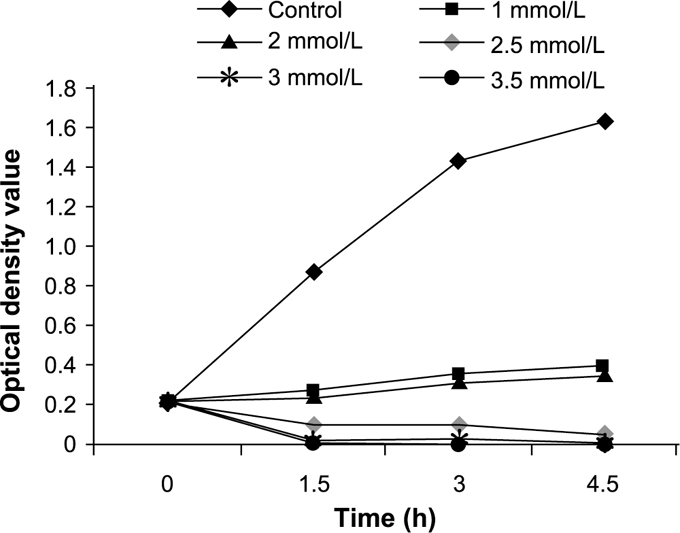
Figure 1

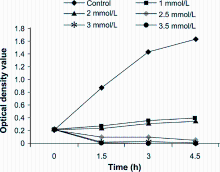
Escherichia coli growth curve under different doses of sodium arsenite Growth curve of Escherichia coli subjected to treatment with different doses of sodium arsenite. The doses of 1 mmol/L and 2 mmol/L were selected from this curve."

"

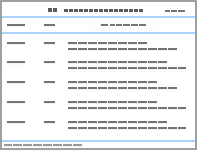
Primer name Primer sequence (5′-3′)
RT-PCR Real-time RT-PCR
G-3-PDH (house-keeping gene) Forward: CCCACTAACATCAAATGGGG
Reverse: CCTTCCACAATGCAAAGTT
Forward: GAGAACGGGAAGCTTGTCATC
Reverse: CATGACGAACATGGGGGCATC
arsB (arsenic resistance gene) Forward: CTGCACGTCTCACGCTGGGG
Reverse: CGGCGATATCCACCGGCACC
Forward: CCGCCAGCCTGCCGCTTATT
Reverse: CGGCGATATCCACCGGCACC
ptsG (glucose permease gene) Forward: CGGCGCTGACCTGGTTCCTG
Reverse: ACGGAACCGCCTGCTTCTGC
Forward: ACGCTTTGTGCCGATCATTTCTGG
Reverse: AACGCAACTACCGGGTTCTGGTAA

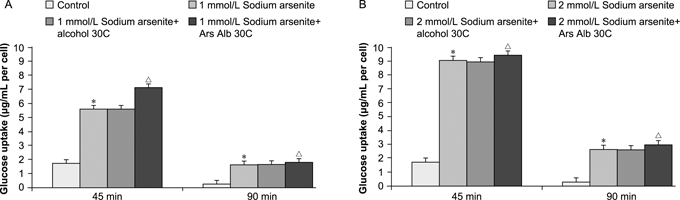
Figure 2

Quantitative data of glucose uptake Glucose uptake (μg/mL per cell) was measured in Escherichia coli cells after 45 min and 90 min, respectively. A: 1 mmol/L sodium arsenite-treated cells; B: 2 mmol/L sodium arsenite-treated cells. Glucose uptake values were measured in three independent experiments done in triplicate. Mean±standard error of mean was plotted. Significance level at *P<0.05, vs normal control and △P<0.05, vs placebo-treated positive control. Ars Alb 30C: Arsenicum Album 30C."
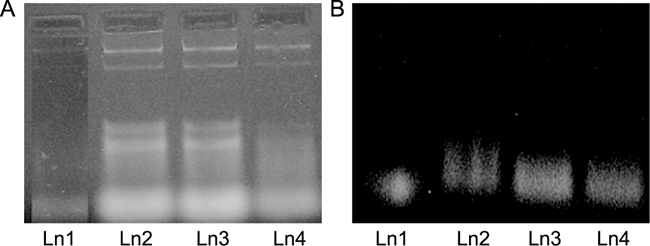
Figure 3

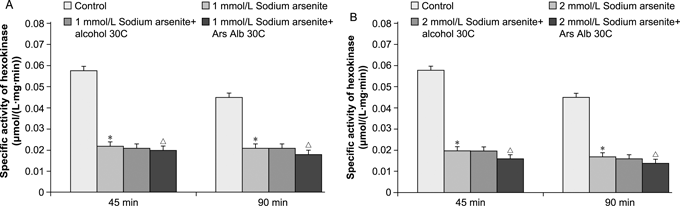
Data of hexokinase assay Specific activity of hexokinase (μmol/(L·mg·min)) was measured at 45 min and 90 min, respectively, after addition of two different doses of sodium arsenite. A: 1 mmol/L sodium arsenite-treated cells; B: 2 mmol/L sodium arsenite-treated cells. The values were measured in three independent experiments done in triplicate. Mean±standard error of mean was plotted. Significance level at *P<0.05, vs normal control and △P<0.05, vs placebo-treated positive control. Ars Alb 30C: Arsenium Album 30C."

Figure 4

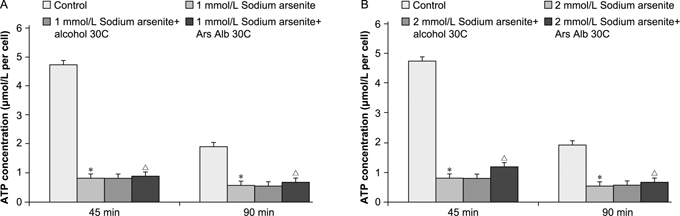
Intracellular ATP concentration ATP concentration in Escherichia coli cells (μmol/L per cell) was determined at 45 min and 90 min after exposure of the cells to two different concentrations of sodium arsenite. A: 1 mmol/L sodium arsenite-treated cells; B: 2 mmol/L sodium arsenite-treated cells. Intracellular ATP concentration was measured in three independent experiments done in triplicate. Mean±standard error of mean was plotted. Significance level at *P<0.05, vs normal control and △P<0.05, vs placebo-treated positive control. ATP: adenosine triphosphate; Ars Alb 30C: Arsenium Album 30C."

Figure 5

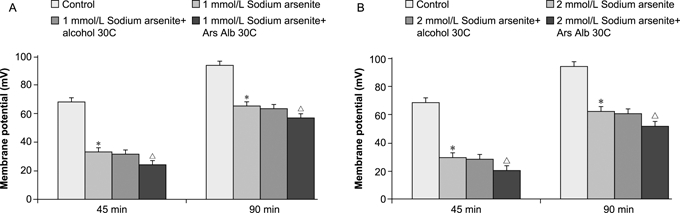
Analysis of membrane potential by spectroflurimetric method Cell membrane potential of Escherichia coli (mV) was estimated at 45 min and 90 min after exposure of the cells to two different doses of sodium arsenite. A: 1 mmol/L sodium arsenite-treated cells; B: 2 mmol/L sodium arsenite-treated cells. Values were measured in three independent experiments done in triplicate. Mean±standard error of mean was plotted. Significance level at *P<0.05, vs normal control and △P<0.05, vs placebo-treated positive control. Ars Alb 30C: Arsenium Album 30C."

Figure 6

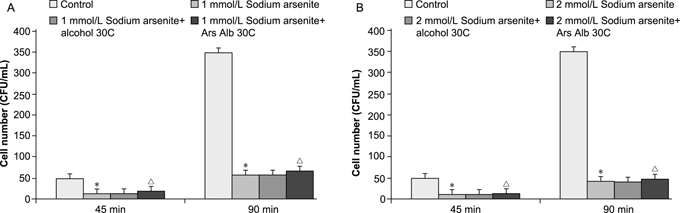
Growth of bacteria Growth of Escherichia coli cells (CFU/mL) was determined at 45 min and 90 min after exposure of the cells to two different concentrations of sodium arsenite. A: 1 mmol/L sodium arsenite-treated cells; B: 2 mmol/L sodium arsenite-treated cells. Bacterial growth was measured in three independent experiments done in triplicate. Mean±standard error of mean was plotted. Significance level at *P<0.05, vs normal control and △P<0.05, vs placebo-treated positive control. CFU: colony-forming unit; Ars Alb 30C: Arsenicum Album 30C."

Figure 7

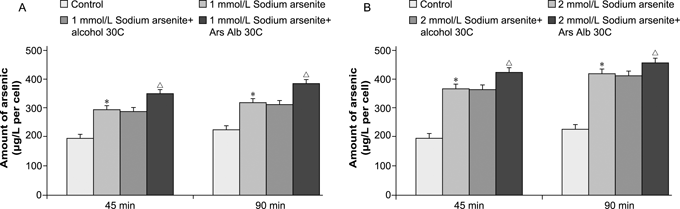
Intracellular arsenic measurement data Arsenic content inside the cell (μg/L per cell) was determined at 45 min and 90 min after exposure of the cells to two different concentrations of sodium arsenite. A: 1 mmol/L sodium arsenite-treated cells; B: 2 mmol/L sodium arsenite-treated cells. Arsenic was measured in three independent experiments done in triplicate. Mean±standard error of mean was plotted. Significance level at *P<0.05, vs normal control and △P<0.05, vs placebo-treated positive control. Ars Alb 30C: Arsenicum Album 30C."

Figure 8

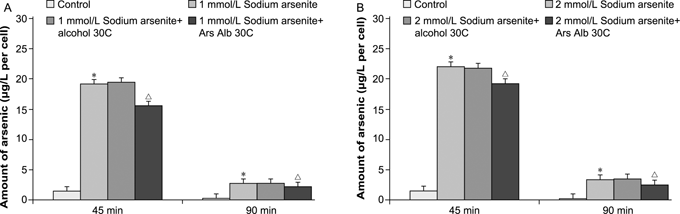
Extracellular arsenic measurement data Arsenic content in the spent medium (μg/L per cell) was determined at 45 min and 90 min after exposure of the cells to two different concentrations of sodium arsenite. A: 1 mmol/L sodium arsenite-treated cells; B: 2 mmol/L sodium arsenite-treated cells. Arsenic was measured in three independent experiments done in triplicate. Mean±standard error of mean was plotted. Significance level at *P<0.05, vs normal control and △P<0.05, vs placebo-treated positive control. Ars Alb 30C: Arsenicum Album 30C."

Figure 9

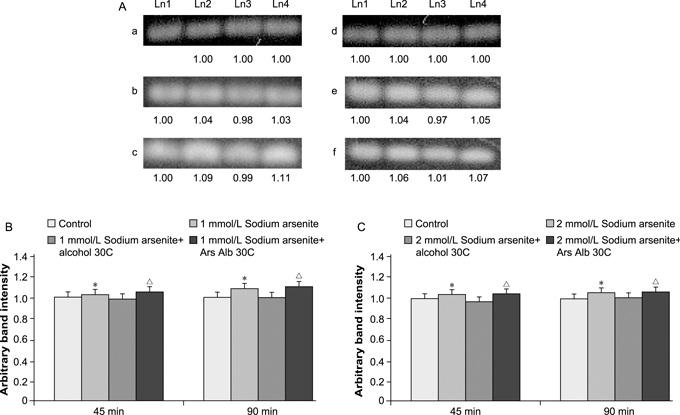
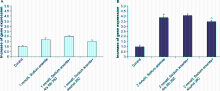
arsB expression analysis by RT-PCR A: Arbitrary band intensities of arsB (arsenic resistance gene) were analyzed against the house-keeping gene (G-3-PDH) under different conditions. (a) and (d) represent the expression of house-keeping gene after 1 mmol/L and 2 mmol/L of sodium arsenite addition, respectively; (b) represents the expression of arsB at 45 min after the addition of 1 mmol/L arsenite; (c) represents the expression of arsB at 90 min after the addition of 1 mmol/L arsenite; (e) represents the expression of arsB at 45 min after the addition of 2 mmol/L arsenite; (f) represents the expression of arsB at 90 min after the addition of 2 mmol/L arsenite. Ln1: Control cells; Ln2: Sodium arsenite-treated cells; Ln3: Sodium arsenite plus placebo-treated cells; Ln4: Sodium arsenite plus Ars Alb 30C-treated cells.B: Quantitative results of arsB expression with 1 mmol/L sodium arsenite exposure; C: Quantitative results of arsB expression with 2 mmol/L sodium arsenite exposure. Bars represent average values of intensity. Values were measured in three independent experiments done in triplicate. Mean±standard error of mean was plotted. Significance level at *P<0.05, vs normal control and △P<0.05, vs placebo-treated positive control. RT-PCR: reverse transcription-polymerase chain reaction; G-3-PDH: glyceraldehyde-3-phosphate dehydrogenase; Ars Alb 30C: Arsenicum Album 30C."

Figure 10

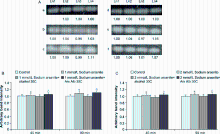
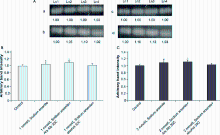
ptsG expression analysis by RT-PCR A: Arbitrary band intensities of ptsG (glucose permease gene) were analyzed against the house-keeping gene (G-3-PDH) under different conditions. (a) and (c) represent the expression of house-keeping gene after 1 mmol/L and 2 mmol/L of sodium arsenite addition, respectively; (b) represents the expression of ptsG after the addition of 1 mmol/L arsenite; (d) represents the expression of ptsG after the addition of 2 mmol/L arsenite. Ln1: Control cells; Ln2: Sodium arsenite-treated cells; Ln3: Sodium arsenite plus Ars Alb 30C-treated cells; Ln4: Sodium arsenite plus placebo-treated cells. B: Quantitative results of ptsG expression with 1 mmol/L sodium arsenite exposure; C: Quantitative results of ptsG expression with 2 mmol/L sodium arsenite exposure. Bars represent average values of intensity. Values were measured in three independent experiments done in triplicate. Mean±standard error of mean was plotted. Significance level at *P<0.05, vs normal control and △P<0.05, vs placebo-treated positive control. RT-PCR: reverse transcription-polymerase chain reaction; G-3-PDH: glyceraldehyde-3-phosphate dehydrogenase; Ars Alb 30C: Arsenicum Album 30C."

Figure 11

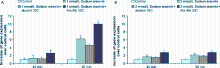
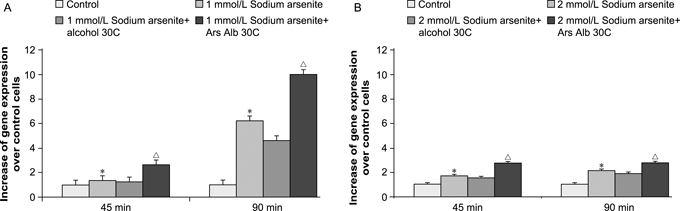
arsB expression tested by quantitative real-time RT-PCR Quantitative real-time RT-PCR analysis of arsB (arsenic resistance gene) was measured at 45 min and 90 min, respectively, after addition of two different doses of sodium arsenite. A: 1 mmol/L sodium arsenite-treated cells; B: 2 mmol/L sodium arsenite-treated cells. The values were measured in three independent experiments done in triplicate. Mean ± standard error of mean was plotted. Significance level at *P<0.05, vs normal control and △P<0.05, vs placebo-treated positive control. RT-PCR: reverse transcription-polymerase chain reaction; Ars Alb 30C: Arsenicum Album 30C."

Figure 12

ptsG expression tested by quantitative real-time RT-PCR Quantitative real-time RT-PCR analysis of ptsG (glucose permease gene) was measured after addition of two different doses of sodium arsenite. A: 1 mmol/L sodium arsenite-treated cells; B: 2 mmol/L sodium arsenite-treated cells. The values were measured in three independent experiments done in triplicate. Mean±standard error of mean was plotted. Significance level at *P<0.05, vs normal control and △P<0.05, vs placebo-treated positive control. RT-PCR: reverse transcription-polymerase chain reaction; Ars Alb 30C: Arsenicum Album 30C."

Figure 13

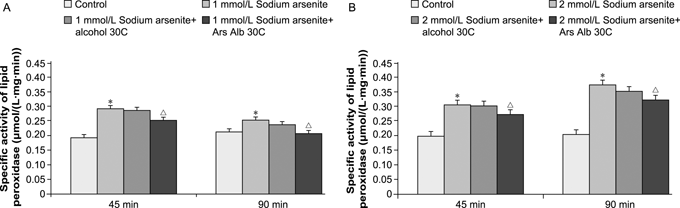
Assay of lipid peroxidation Specific activity of lipid peroxidase (μmol/(L·mg·min)) was measured at 45 min and 90 min, respectively, after addition of two different doses of sodium arsenite to the media. A: 1 mmol/L sodium arsenite-treated cells; B: 2 mmol/L sodium arsenite-treated cells. The values were measured in three independent experiments done in triplicate. Mean±standard error of mean was plotted. Significance level at *P<0.05, vs normal control and △P<0.05, vs placebo-treated positive control. Ars Alb 30C: Arsenicum Album 30C."

Figure 14

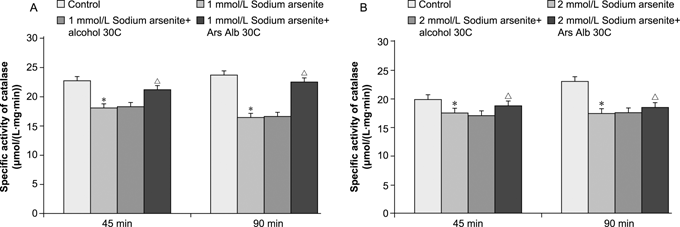
Catalase assay data Specific activity of catalase (μmol/(L·mg·min)) was measured at 45 min and 90 min, respectively, after addition of two different doses of sodium arsenite. A: 1 mmol/L sodium arsenite-treated cells; B: 2 mmol/L sodium arsenite-treated cells. The values were measured in three independent experiments done in triplicate. Mean±standard error of mean was plotted. Significance level at *P<0.05, vs normal control and △P<0.05, vs placebo-treated positive control. Ars Alb 30C: Arsenicum Album 30C."

Figure 15

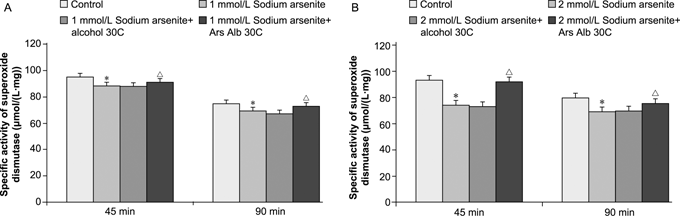
Superoxide dismutase assay data Specific activity of superoxide dismutase (μmol/(L·mg)) was measured at 45 min and 90 min, respectively, after addition of two different doses of sodium arsenite. A: 1 mmol/L sodium arsenite-treated cells; B: 2 mmol/L sodium arsenite-treated cells. The values were measured in three independent experiments done in triplicate. Mean±standard error of mean was plotted. Significance level at *P<0.05, vs normal control and △P<0.05, vs placebo-treated positive control. Ars Alb 30C: Arsenicum Album 30C."

Figure 16

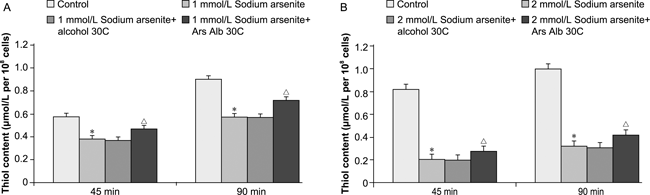
Intracellular glutathione concentration data Intracellular glutathione concentration in Escherichia coli cells (μmol/L per 108 cells) was determined at 45 min and 90 min after exposure of the cells to two different concentrations of sodium arsenite. A: 1 mmol/L sodium arsenite-treated cells; B: 2 mmol/L sodium arsenite-treated cells. Intracellular glutathione concentrations were measured in three independent experiments done in triplicate. Mean±standard error of mean was plotted. Significance level at *P<0.05, vs normal control and △P<0.05, vs placebo-treated positive control. Ars Alb 30C: Arsenicum Album 30C."

Figure 17

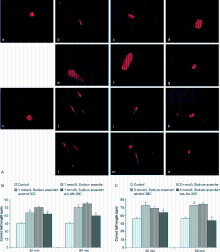
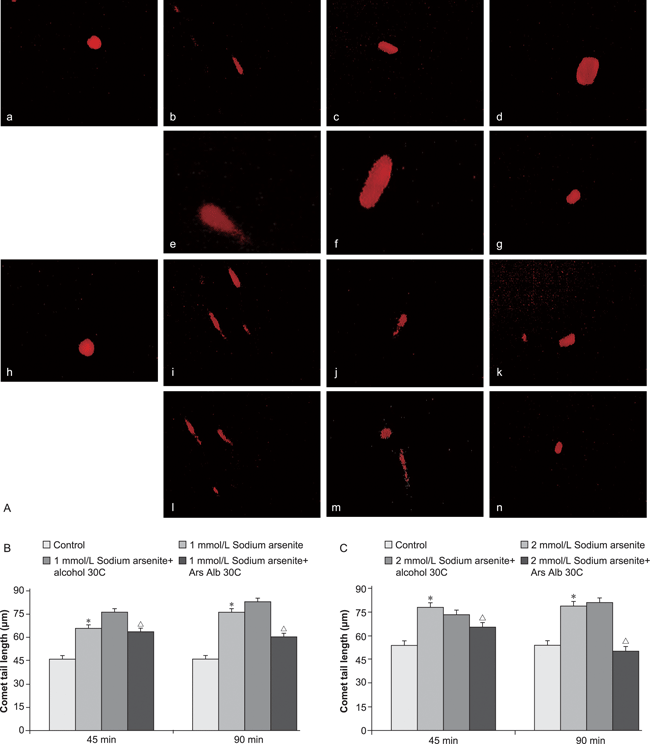
DNA damage analysis by comet assay A: Photographs showing the DNA damage by comet assay. (a) and (h) represent the control cells after 1 mmol/L and 2 mmol/L of sodium arsenite addition, respectively; (b) 45 min after the addition of 1 mmol/L sodium arsenite; (c) 45 min after the addition of 1 mmol/L sodium arsenite and placebo; (d) 45 min after the addition of 1 mmol/L sodium arsenite and Ars Alb 30C; (e) 90 min after the addition of 1 mmol/L sodium arsenite; (f) 90 min after the addition of 1 mmol/L sodium arsenite and placebo; (g) 90 min after the addition of 1 mmol/L sodium arsenite and Ars Alb 30C; (i) 45 min after the addition of 2 mmol/L sodium arsenite; (j) 45 min after the addition of 2 mmol/L sodium arsenite and placebo; (k) 45 min after the addition of 2 mmol/L sodium arsenite and Ars Alb 30C; (l) 90 min after the addition of 2 mmol/L sodium arsenite; (m) 90 min after the addition of 2 mmol/L sodium arsenite and placebo; (n) 90 min after the addition of 2 mmol/L sodium arsenite and Ars Alb 30C.B: Quantitative results of 1 mmol/L sodium arsenite exposure. C: Quantitative results of 2 mmol/L sodium arsenite exposure. Bars represent average values of comet tail lengths. Values were measured in three independent experiments done in triplicate. Mean±standard error of mean was plotted. Significance level at *P<0.05, vs normal control and △P<0.05, vs placebo-treated positive control."

Figure 18

DNA gel electrophoresis Images of DNA gel after electrophoresis containing DNA samples of different treatments. A: 1 mmol/L sodium arsenite-treated cells, (B) 2 mmol/L sodium arsenite-treated cells. Ln1: Control cells; Ln2: Sodium arsenite-treated cells; Ln3: Sodium arsenite plus placebo-treated cells; Ln4: Sodium arsenite plus Ars Alb 30C-treated cells."

[1] Chikramane PS, Suresh AK, Bellare JR, Govind S . Extreme homeopathic dilutions remain starting materials: a nanoparticulate perspective. Homeopathy. 2010 ; 99(4):231-242.
doi: 10.1016/j.homp.2010.05.006 pmid: 20970092
[2] Vickers AJ, Fisher P, Smith C, Wyllie SE, Rees R . Homeopathic Arnica 30 X is ineffective for muscle soreness after long-distance running : a randomized, double-blind, placebo-controlled trial. Clin J Pain. 1998; 14(3):227-231.
doi: 10.1097/00002508-199809000-00009
[3] Lewith GT, Watkins AD, Hyland ME, Shaw S, Broomfield JA, Dolan G, Holgate ST . Use of ultramo- lecular potencies of allergen to treat asthmatic people allergic to house dust mite: double blind randomised controlled clinical trial. BMJ. 2002; 324(7336):520.
doi: 10.1136/bmj.324.7336.520
[4] Ernst E . A systematic review of systematic reviews of homeopathy. Br J Clin Pharmacol. 2002 ; 54(6) : 577-582.
doi: 10.1046/j.1365-2125.2002.01699.x pmid: 1874503
[5] Shang A, Huwiler-Miintener K, Nartey L, Jiini P, Dorig S, Sterne JA, Pewsner D, Egger M . Are the clinical effects of homoeopathy placebo effects? Comparative study of placebo-controlled trials of homoeopathy and allopathy. Lancet. 2005; 366(9487):726-732.
doi: 10.1016/S0140-6736(05)67177-2
[6] House of Commons Science and Technology Committee . Evidence check 2 : homeopathy. Fourth report of session 2009-10 : Report, together with formal minutes, oral and written evidence. London: The Stationery Office Limited. 2010.
[7] Khuda-Bukhsh AR, De A, Das D, Dutta S, Boujedaini N . Analysis of the capability of ultra-highly diluted glucose to increase glucose uptake in arsenite-stressed bacteria Escherichia coli. J Chin Integr Med. 2011; 9(8) : 901-912. English with abstract in Chinese.
doi: 10.3736/jcim20110813
Khuda-Bukhsh AR, De A, Das D, Dutta S, Boujedaini N. 髙度稀释的葡萄糖溶液提髙含亚砷酸盐培养基中大肠埃希氏杆菌的葡萄糖摄取.中西医结合学报. 2011; 9(8):901-912.
doi: 10.3736/jcim20110813
[8] Lewin B. Genes VIII . Upper Saddle River : Pearson Prentice Hall Pearson Education, Inc. 2004.
[9] Silver S, Budd K, Leahy KM, Shaw WV, Hammond D, Novick RP, Willsky GR, Malamy MH, Rosenberg H . Inducible plasmid-determined resistance to arsenate, arsenite, and antimony( HI ) in Escherichia coli and Staphylococcus aureus. J Bacteriol. 1981; 146(3 ): 983-996.
[10] Mokrasch LC . Analysis of hexose phosphates and sugar mixtures with the anthrone reagent. J Biol Chem. 1954; 208(1) : 55-59.
doi: 10.2307/2485221 pmid: 13174514
[11] Racker E . Spectrophotometric measurement of hexokinase and phosphohexokinase activity. J Biol Chem. 1947 ; 167(3):843-854.
pmid: 20287918
[12] Kangas L, Gronroos M, Nieminen AL . Bioluminescence of cellular ATP : a new method for evaluating cytotoxic agents in vitro. Med Biol. 1984; 62(6):338-343.
doi: 10.1016/0024-3205(84)90053-5 pmid: 6543460
[13] O’Keefe D, Collier RJ . Cloned diphtheria toxin within the periplasm of Escherichia coli causes lethal membrane damage at low pH. Proc Natl Acad Sci USA. 1989; 86(1) : 343-346.
doi: 10.1073/pnas.86.1.343
[14] Amor KB, Breeuwer P, Verbaarschot P, Rombouts FM, Akkermans AD, De Vos WM, Abee T . Multiparametric flow cytometry and cell sorting for the assessment of viable, injured, and dead bifidobacterium cells during bile salt stress. Appl Environ Microbiol. 2002 ; 68(11) : 5209-5216.
doi: 10.1128/AEM.68.11.5209-5216.2002
[15] Behari JR, Prakash R . Determination of total arsenic content in water by atomic absorption spectroscopy (AAS) using vapour generation assembly (VGA). Chemosphere. 2006 ; 63(1) : 17-21.
doi: 10.1016/j.chemosphere.2005.07.073
[16] Chowdhury R, Dutta A, Chaudhuri SR, Sharma N, Giri AK, Chaudhuri K . In vitro and in vivo reduction of sodium arsenite induced toxicity by aqueous garlic extract. Food Chem Toxicol. 2008; 46(2):740-751.
doi: 10.1016/j.fct.2007.09.108 pmid: 17983699
[17] Bagchi P, Dutta D, Chattopadhyay S, Mukherjee A, Haider UC, Sarkar S, Kobayashi N, Komoto S, Taniguchi K, Chawla-Sarkar M . Rotavirus nonstructural protein 1 suppresses virus-induced cellular apoptosis to facilitate viral growth by activating the cell survival pathways during early stages of infection. J Virol. 2010; 84(13):6834-6845.
doi: 10.1128/JVI.00225-10
[18] Buege JA, Aust SD . Microsomal lipid peroxidation. Methods Enzymol. 1978; 52:302-310.
doi: 10.1016/S0076-6879(78)52032-6
[19] Kakkar P, Das B, Viswanathan PN . A modified spectrophotometric assay of superoxide dismutase. Indian J Biochem Biophys. 1984; 21(2):130-132.
doi: 10.1515/bchm2.1984.365.2.1489 pmid: 6490072
[20] Chance B, Maehly AC . Assay of catalases and peroxidases. Methods Enzymol. 1955 ; 2 : 764-775.
doi: 10.1016/S0076-6879(55)02300-8
[21] Sedlak J, Lindsay RH . Estimation of total, protein-bound, and nonprotein sulfhydryl groups in tissue with Ellman’s reagent. Anal Biochem. 1968; 25(1) : 192-205.
doi: 10.1016/0003-2697(68)90092-4
[22] Dhiman R, Kathania M, Raje M, Majumdar S . Inhibition of bfl-1/A1 by siRNA inhibits mycobacterial growth in THP-1 cells by enhancing phagosomal acidification. Biochim Biophys Acta. 2008; 1780(4):733-742.
doi: 10.1016/j.bbagen.2007.12.010
[23] Dhawan A, Mathur N, Seth PK . The effect of smoking and eating habits on DNA damage in Indian population as measured in the comet assay. Mutat Res. 2001 ; 474(1-2):121-128.
doi: 10.1016/S0027-5107(00)00171-8
[24] Stock-Schroer B, Albrecht H, Betti L, Dobos G, Endler C, Linde K, Liidtke R, Musial F, van Wijk R, Witt C, Baumgartner S . Reporting experiments in homeopathic basic research — description of the checklist development. Evid Based Complement Alternat Med. 2009 Nov 1. [Epub ahead of print]
[25] Suntres ZE . Role of antioxidants in paraquat toxicity. Toxicology. 2002; 180(1):65-77.
doi: 10.1016/S0300-483X(02)00382-7
[26] Lii Z, Min H, Xia Y . The response of Escherichia coli , Bacillus subtilis, and Burkholderia cepacia WZ1 to oxidative stress of exposure to quinclorac. J Environ Sci Health B. 2004; 39(3):431-441.
doi: 10.1081/PFC-120035928
[27] Sies H, Menck CF . Singlet oxygen induced DNA damage. Mutat Res. 1992; 275(3-6):367-375.
doi: 10.1016/0921-8734(92)90039-R pmid: 1383777
[28] Sies H . Damage to plasmid DNA by singlet oxygen and its protection. Mutat Res. 1993; 299(3-4):183-191.
doi: 10.1016/0165-1218(93)90095-U pmid: 7683086
[29] Yao XH, Min H, Lv ZM . Response of superoxide dismutase, catalase, and ATPase activity in bacteria exposed to acetamiprid. Biomed Environ Sci. 2006; 19(4):309-314.
[30] Imlay JA, Chin SM, Linn S . Toxic DNA damage by hydrogen peroxide through the Fenton reaction in vivo in vitro. Science. 1988; 240(4852):640-642.
doi: 10.1126/science.2834821 pmid: 2834821
[31] Imlay JA, Linn S . DNA damage and oxygen radical toxicity. Science. 1988; 240(4857):1302-1309.
doi: 10.1126/science.3287616
[32] Chen JR, Weng CN, Ho TY, Cheng IC, Lai SS . Identification of the copper-zinc superoxide dismutase activity in Mycoplasma hyopneumoniae . Vet Microbiol. 2000; 73(4) : 301-310.
doi: 10.1016/S0378-1135(99)00170-4
[33] Lehmann Y, Meile L, Teuber M . Rubrerythrin from Clostridium perfringens : cloning of the gene, purification of the protein, and characterization of its superoxide dismutase function. J Bacteriol. 1996; 178(24) : 7152-7158.
doi: 10.1128/jb.178.24.7152-7158.1996
[34] Gerlach D, Reichardt W, Vettermann S . Extracellular superoxide dismutase from Streptococcus pyogenes type 12 strain is manganese-dependent. FEMS Microbiol Lett. 1998; 160(2) : 217-224.
doi: 10.1111/fml.1998.160.issue-2
[35] Jung S . Expression level of specific isozymes of maize catalase mutants influences other antioxidants on norflurazon- induced oxidative stress. Pestic Biochem Physiol. 2003; 75(1-2):9-17.
doi: 10.1016/S0048-3575(03)00017-8
[36] Cabiscol E, Tamarit J, Ros J . Oxidative stress in bacteria and protein damage by reactive oxygen species. Int Microbiol. 2000; 3(1):3-8.
pmid: 10963327
[37] Rey L . Thermoluminescence of ultra-high dilutions of lithium chloride and sodium chloride. Physica A. 2003; 323:67-74.
doi: 10.1016/S0378-4371(03)00047-5
[38] Rey L . Can low-temperature thermoluminescence cast light on the nature of ultra-high dilutions? Homeopathy. 2007; 96(3) : 170-174.
doi: 10.1016/j.homp.2007.05.004 pmid: 17678813
[39] Khuda-Bukhsh AR . Potentized homoeopathic drugs act through regulation of gene-expression: a hypothesis to explain their mechanism and pathways of action in vitro. Complement Ther Med. 1997 ; 5(1) : 43-46.
doi: 10.1016/S0965-2299(97)80090-8
[40] Khuda-Bukhsh AR . Expression level of specific isozymes of maize catalase mutants influences other antioxidants on nonflurazon-induced oxydative stress. Mol Cell Biochem. 2003; 253(1-2):339-345.
doi: 10.1023/A:1026048907739
[41] Khuda-Bukhsh AR . Laboratory research in homeopathy: pro. Integr Cancer Ther. 2006 ; 5(4) : 320-332.
doi: 10.1177/1534735406294794 pmid: 17101761
[42] Khuda-Bukhsh AR . Mice as a model for homeopathy research. Homeopathy. 2009; 98(4):267-279.
doi: 10.1016/j.homp.2009.09.007 pmid: 19945679
[43] Khuda-Bukhsh AR, Pathak S . Homeopathic drug discovery: theory update and methodological aspect. Expert Opin Drug Discov. 2008; 3(8):979-990.
doi: 10.1517/17460441.3.8.979 pmid: 23484971
[44] Bhattacharyya SS, Paul S, Mandal SK, Banerjee A, Boujedaini N, Khuda-Bukhsh AR . A synthetic coumarin (4-methyl-7 hydroxy coumarin) has anti-cancer potentials against DM BA-induced skin cancer in mice. Eur J Pharmacol. 2009; 614(1-3):128-136.
doi: 10.1016/j.ejphar.2009.04.015
[45] Mallick P, Mallick JC, Guha B, Khuda-Bukhsh AR . Ameliorating effect of microdoses of a potentized homeopathic drug, Arsenicum Album, on arsenic-induced toxicity in mice. BMC Complement Altern Med. 2003; 3:7.
doi: 10.1186/1472-6882-3-7
[46] Banerjee A, Pathak S, Biswas SJ, Roy-Karmakar S, Boujedaini N, Belon P, Khuda-Bukhsh AR . Chelidonium majus 30C and 200C in induced hepato-toxicity in rats. Homeopathy. 2010; 99(3):167-176.
doi: 10.1016/j.homp.2010.05.008 pmid: 20674840
[47] Pathak S, Kumar Das J, Jyoti Biswas S, Khuda-Bukhsh AR . Protective potentials of a potentized homeopathic drug, Lycopodium-30, in ameliorating azo dye induced hepatocarcinogenesis in mice. Mol Cell Biochem. 2006; 285(1-2):121-131.
doi: 10.1007/s11010-005-9065-7
[48] Khuda-Bukhsh AR, Bhattacharyya SS, Paul S, Dutta S, Boujedaini N, Belon P. Modulation of signal proteins : a plausible mechanism to explain how a potentized drug secale cor 30C diluted beyond Avogadro’s limit combats skin papilloma in mice. Evid Based Complement Alternat Med. 2009 Jul 16. [Epub ahead of print]
[49] Center of Conciousness Studies, The University of Arizona. Proceedings of the eighteenth annual international, interdisciplinary conference on the fundamental question of how the brain produces conscious experience. Stockholm, Sweden, May 3-7, 2011.
[50] Das D, De A, Dutta S, Biswas R, Boujedaini N, Khuda-Bukhsh AR . Potentized homeopathic drug Arsenicum Album 30C positively modulates protein biomarkers and gene expressions in Saccharomyces cerevisae exposed to arsenate. J Chin Integr Med. 2011; 9(7): 752-760. English with abstract in Chinese.
Das D, De A, Dutta S, Biswas R, Boujedaini N, Khuda- BukhshAR.顺势疗法药物白砷剂对暴露于砷的酵母菌的蛋白标志物及基因表达的影响.中西医结合学报. 2011; 9(7) : 752-760.
[1] Yue-hua Wang, Xiao-li He, Xiao-xiu Li, Hai-lin Qin, Guan-hua Du . Effects of the effective component group of Chinese herbal medicine Xiaoxuming Decoction on brain mitochondria in rats with chronic cerebral ischemia. Journal of Chinese Integrative Medicine, 2012, 10(5): 569-576.
[2] Soumya Sundar Bhattacharyya, Jayeeta Das, Sreemanti Das, Asmita Samadder, Durba Das, Arnab De, Saili Paul, Anisur Rahman Khuda-Bukhsh. Rapid green synthesis of silver nanoparticles from silver nitrate by a homeopathic mother tincture Phytolacca Decandra. Journal of Chinese Integrative Medicine, 2012, 10(5): 546-554.
[3] Santu Kumar Saha, Sreemanti Das, Anisur Rahman Khuda-Bukhsh. Phenotypic evidence of ultra-highly diluted homeopathic remedies acting at gene expression level: A novel probe on experimental phage infectivity in bacteria. Journal of Chinese Integrative Medicine, 2012, 10(4): 462-470.
[4] Das Sreemanti, Kumar Saha Santu, De Arnab, Das Durba, Rahman Khuda-Bukhsh Anisur. Potential of the homeopathic remedy, Arnica Montana 30C, to reduce DNA damage in Escherichia coli exposed to ultraviolet irradiation through up-regulation of nucleotide excision repair genes. Journal of Chinese Integrative Medicine, 2012, 10(3): 337-246.
[5] Xiao-ping Huang , Xiao-dan Liu , Chang-qing Deng . Effects of the combination of active component extracts from Astragalus membranaceus and Panax notoginseng on apoptosis, reactive oxygen species and mitochondrial membrane potential of PC12 cells with oxidative injury. Journal of Chinese Integrative Medicine, 2012, 10(10): 1127-1134.
[6] Anisur Rahman Khuda-Bukhsh, Arnab De, Durba Das, Suman Dutta, Naoual Boujedaini. Analysis of the capability of ultra-highly diluted glucose to increase glucose uptake in arsenite-stressed bacteria Escherichia coli. Journal of Chinese Integrative Medicine, 2011, 9(8): 901-912.
[7] Arndt Büssing, Thomas Ostermann, Peter Heusser, Peter F. Matthiessen. Usage of alternative medical systems,acupuncture, homeopathy and anthroposophic medicine, by older German adults. Journal of Chinese Integrative Medicine, 2011, 9(8): 847-856.
[8] Durba Das, Arnab De, Suman Dutta, Raktim Biswas, Naoual Boujedaini, Anisur Rahman Khuda-Bukhsh. Potentized homeopathic drug Arsenicum Album 30C positively modulates protein biomarkers and gene expressions in Saccharomyces cerevisae exposed to arsenate. Journal of Chinese Integrative Medicine, 2011, 9(7): 752-760.
[9] Anisur Rahman Khuda-Bukhsh, Antara Banerjee, Surjyo Jyoti Biswas, Susanta Roy Karmakar, Pathikrit Banerjee, Surajit Pathak, Bibhas Guha, Saiful Haque, Debarsi Das, Arnab De, Durba Das, Naoual Boujedaini. An initial report on the efficacy of a millesimal potency Arsenicum Album LM 0/3 in ameliorating arsenic toxicity in humans living in a high-risk arsenic village. Journal of Chinese Integrative Medicine, 2011, 9(6): 596-604.
[10] Thanasekaran Jayakumar, Philip Aloysius Thomas, Mathivanan Isai, Pitchairaj Geraldine. An extract of the oyster mushroom, Pleurotus ostreatus, increases catalase gene expression and reduces protein oxidation during aging in rats. Journal of Chinese Integrative Medicine, 2010, 8(8): 774-780.
[11] Ying-hong Tang, Shu-ping Zhang, Yan Liang, Chang-qing Deng. Effects of Panax notoginseng saponins on mRNA expressions of interleukin-1β, its correlative factors and cysteinyl-aspartate specific protease after cerebral ischemia-reperfusion in rats. Journal of Chinese Integrative Medicine, 2007, 5(3): 328-332.
[12] Sheng Liu​, Xiao-hong Xue​, Xin-wei Yang​, De-ming Lu​. Effects of Runing Recipe medicated serum on expressions of genes in breast cancer cells. Journal of Chinese Integrative Medicine, 2006, 4(5): 490-494.
Viewed
Full text


Abstract

Cited

  Shared   
  Discussed   
[1] Jin-rong Fu. Establishment of multivariate diagnosis and treatment system of modern gynecology of traditional Chinese medicine. Journal of Chinese Integrative Medicine, 2008, 6(1): 22-24
[2] Hao Li, Ming-jiang Yao, Wen-ming Zhao, Jie Guan, Lin-lin Cai, Ling Cui. A randomized, controlled, double-blind trial of Huannao Yicong capsule in senile patients with mild cognitive impairment. Journal of Chinese Integrative Medicine, 2008, 6(1): 25-31
[3] Zhi-chun Jin. Problems in establishing clinical guideline for integrated traditional Chinese and Western medicine. Journal of Chinese Integrative Medicine, 2008, 6(1): 5-8
[4] SUN Ming-yu, ZUO Jian, DUAN Ji-feng, HAN Jun, FAN Shi-ming, ZHANG Wei, ZHU Li-fang, YAO Ming-hui. Antitumor activities of kushen flavonoids in vivo and in vitro. Journal of Chinese Integrative Medicine, 2008, 6(1): 51-59
[5] Min Cheng, Qiong Feng, Shu-wen Qian, Hui Gao, Cui-qing Zhu. Preliminary assay of p-amyloid binding elements in heart-beneficial recipe. Journal of Chinese Integrative Medicine, 2008, 6(1): 68-72
[6] Ning-qun Wang, Liang-duo Jiang, Zong-xing Li. Research progress in asthma-related quality of life. Journal of Chinese Integrative Medicine, 2008, 6(1): 93-97
[7] Jing-yuan Mao, Chang-xiao Liu, Heng-he Wang, Guang-li Wei , Zhen-peng Zhang, Jie Xing, Wang Xian liang , Ying-fei Bi . Effects of Shenmai Injection on serum concentration and pharmacokinetics of digoxin in dogs with heart failure. Journal of Chinese Integrative Medicine, 2010, 8(11): 1070-1074
[8] Zhi-mei Wang, Bin Zhang. A study on translation of ellipses in Huangdi Neijing from perspective of hermeneutic theory. Journal of Chinese Integrative Medicine, 2010, 8(11): 1097-1100
[9] Gui Yu, Jie Wang. Thinking on building the network cardiovasology of Chinese medicine. Journal of Chinese Integrative Medicine, 2012, 10(11): 1206-1210
[10] Pedro Saganha João, Doenitz Christoph, Greten Tobias, Efferth Thomas, J. Greten Henry. Qigong therapy for physiotherapists suffering from burnout: a preliminary study. Journal of Chinese Integrative Medicine, 2012, 10(11): 1233-1239
[an error occurred while processing this directive]